let's connect

Over the past several months, CivicSol has been working with Mayor Kirk Watson and United Way for Greater Austin to help shape Generation ATX (GenATX), an effort to make Austin the best place in America to be a kid.
The work has involved researchers, nonprofit leaders, educators, healthcare providers, city agencies, and community organizations. Together we have been building the evidence foundation for the initiative, mapping Austin’s ecosystem of child-serving organizations, and engaging local leaders in a series of roundtables focused on what actually shapes a child’s experience growing up in the city.
As the work has progressed, something interesting has happened.
What began as a conversation about children has increasingly become a broader conversation about well-being in cities.
Cities tend to organize themselves around sectors. Education, public safety, transportation, housing, healthcare, parks, and economic development each operate through their own institutions, funding streams, and policy frameworks. Yet children do not experience their lives through these systems. They experience them through the flow of an ordinary day.
That realization has shaped much of the GenATX work so far.
1. Child well-being is experienced across a child’s day.
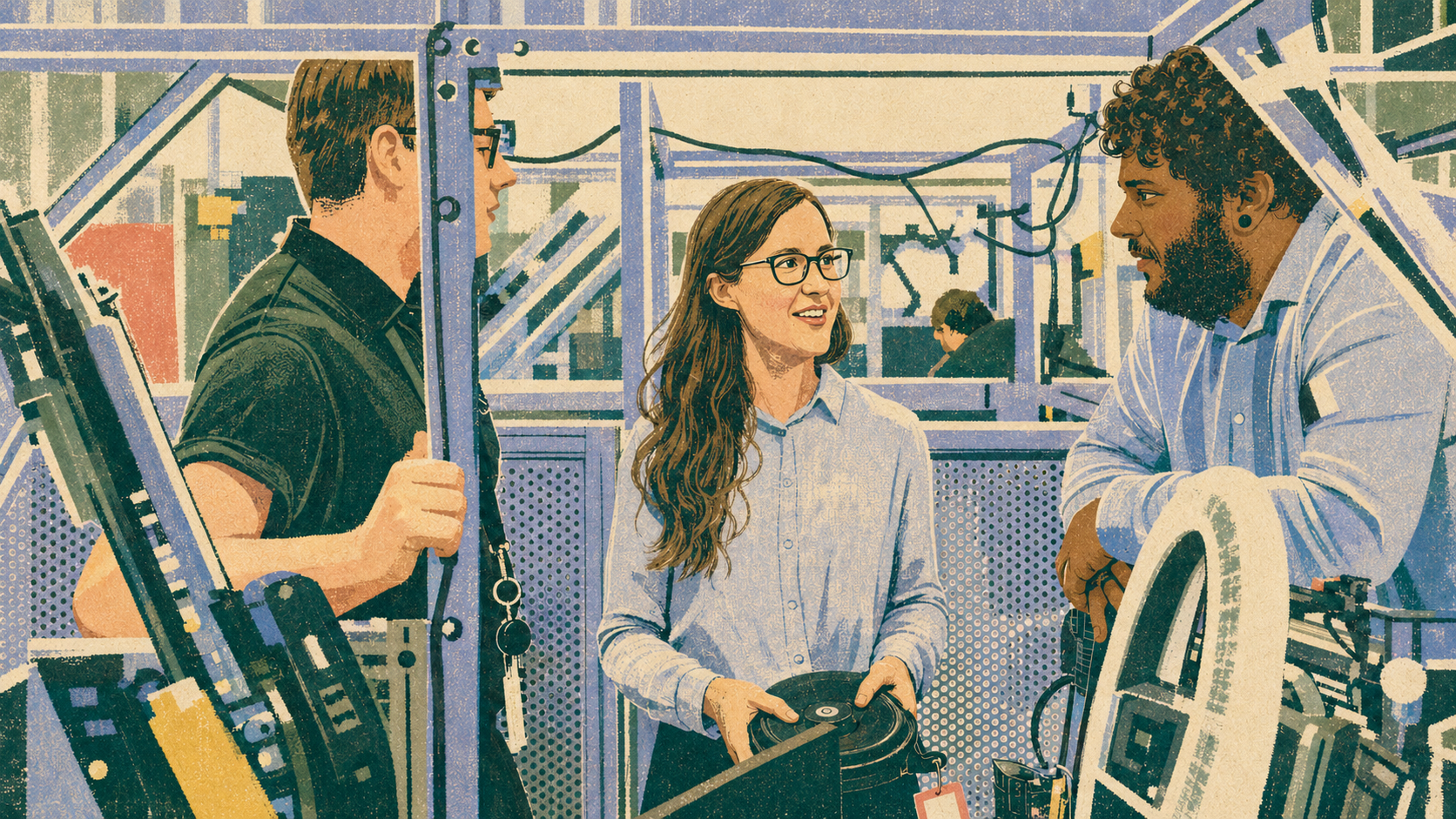
During the GenATX roundtables, we have asked community leaders to walk through a simple exercise. Participants choose a real child they know or regularly serve and map out what a typical weekday might look like for that child, from the moment they wake up to the time they go to sleep.
They talk through the morning routine at home, the trip to school, the classroom environment, after-school activities, and the evening back with family. As they walk through the day, they identify the supports that help the child thrive, the pressures that create stress, and the moments where systems break down.
What quickly becomes clear is that child well-being is not experienced through programs or departments. It emerges through the interaction of many conditions across the course of a day.
A safe route to school, a teacher who notices when something feels wrong, a parent juggling work schedules, a park where children can play after school, access to care when it is needed. These moments, taken together, shape the lived experience of childhood.
For cities, this perspective changes the conversation. The question becomes less about what individual programs deliver and more about whether the systems around children actually connect.
2. Child well-being is interconnected, not additive.
Another theme that has emerged from both research and local discussions is that children’s well-being cannot be understood in isolation.
Learning outcomes are shaped by health. Health is shaped by family stability. Safety is shaped by neighborhood conditions and relationships with trusted adults. When one part of a child’s environment becomes unstable, the effects often ripple outward into other areas of life.
This understanding is reflected in the three pillars that structure the GenATX framework—Happy, Healthy, and Safe—which mirror the core conditions researchers consistently identify as central to children’s development and well-being.
The language is intentionally simple, but the idea behind it is powerful. Children thrive when the systems around them work together rather than operating in isolation.
3. Mental health is increasingly central to the conversation.
Across discussions with practitioners, educators, and healthcare providers, one theme surfaces repeatedly: the growing importance of children’s mental and emotional well-being.
When children experience anxiety, trauma, or chronic stress, the effects extend far beyond the clinical setting. Mental health shapes how children show up in school, how they relate to peers and adults, and how they experience their broader environment.
For cities thinking about well-being, this insight has important implications. Mental health cannot be addressed solely through specialized services. It is shaped by relationships, school environments, family stability, and the broader sense of belonging children experience in their communities.
4. The first three years of life shape everything that follows.
One of the most powerful insights shared during the GenATX Champions Council came from Dr. Cynthia Osborne of Vanderbilt’s Prenatal-to-3 Policy Impact Center.
The science of early childhood development makes clear that the period from pregnancy through age three is foundational for long-term learning, behavior, and health outcomes.
During these early years, the brain develops at an extraordinary pace. Stable relationships with caregivers, access to healthcare, adequate nutrition, and family stability all influence how children develop cognitively, socially, and emotionally.
When those conditions are strong, children enter school better prepared to learn and engage. When they are weak or unstable, the consequences can persist for years.
This is one reason many communities are beginning to rethink how they support families during the earliest stages of a child’s life.
5. The places children grow up also shape their well-being.
Another insight that emerges quickly in these conversations is the role of place.
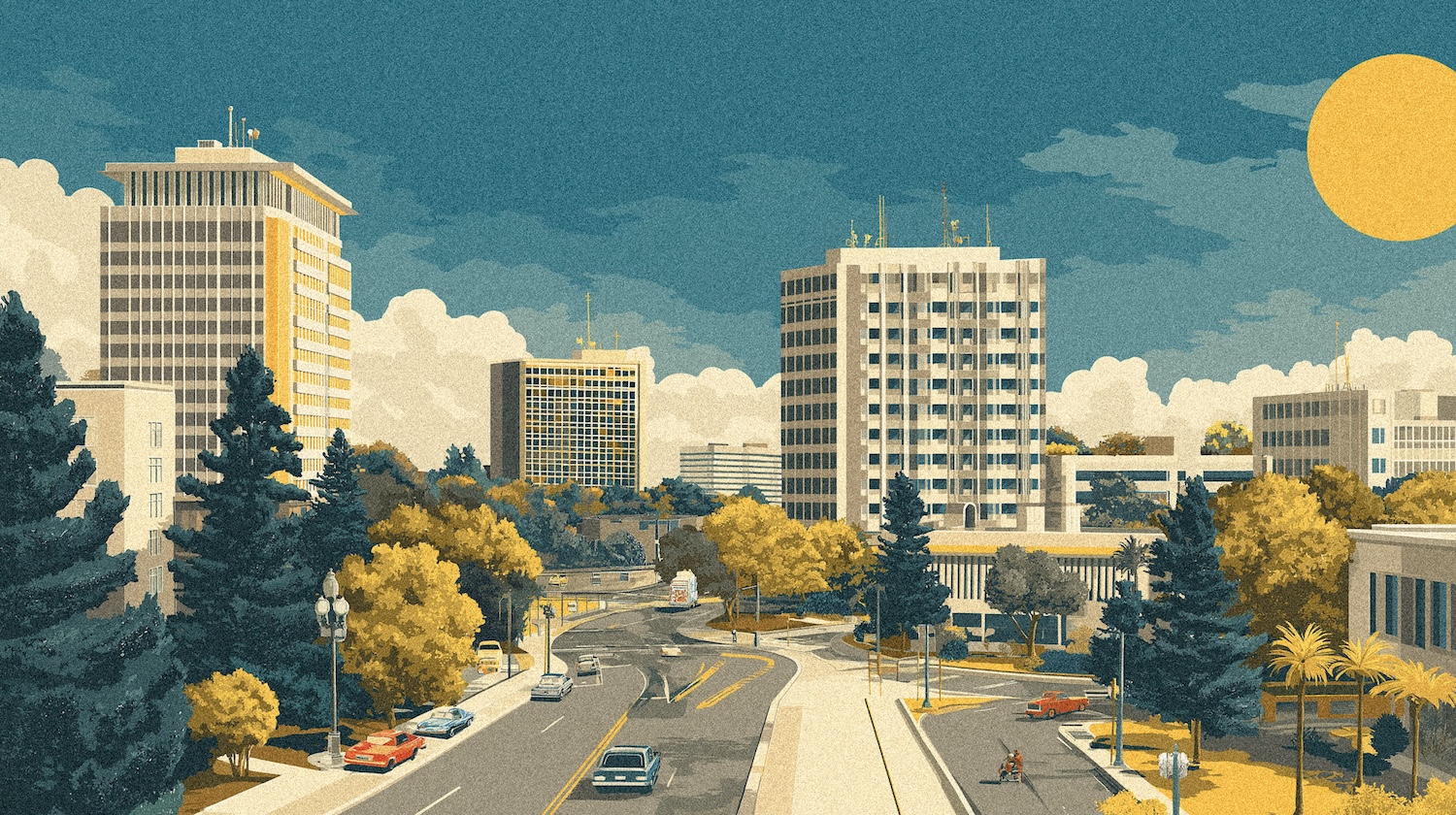
Children are shaped not only by families and schools, but also by the environments where they grow up. Safe streets, accessible parks, stable housing, and welcoming public spaces influence how children move through their neighborhoods and how connected they feel to the communities around them.
In this sense, the built environment is not simply the backdrop for childhood. It actively shapes it.
Urban design, transportation systems, housing stability, and neighborhood conditions all play a role in determining whether children experience their communities as places of opportunity or places of constraint.
Why this Matters for Cities
Generation ATX is not about launching another program. Instead, it is about building a civic framework that helps Austin measure what matters, align organizations around shared goals, and focus investment on the conditions that support children’s well-being.
What we are learning through this process is that the conversation about children is also a conversation about the future of cities.
Cities that take child well-being seriously are, in many ways, rethinking how they organize themselves around the conditions that allow people to thrive.





.png)































Let’s turn your next big move into real momentum
Let's talk